
A Place That Didn't Exist
Look out over Amersfoort as it was in 1671, from a vantage point that didn't actually exist.
Read more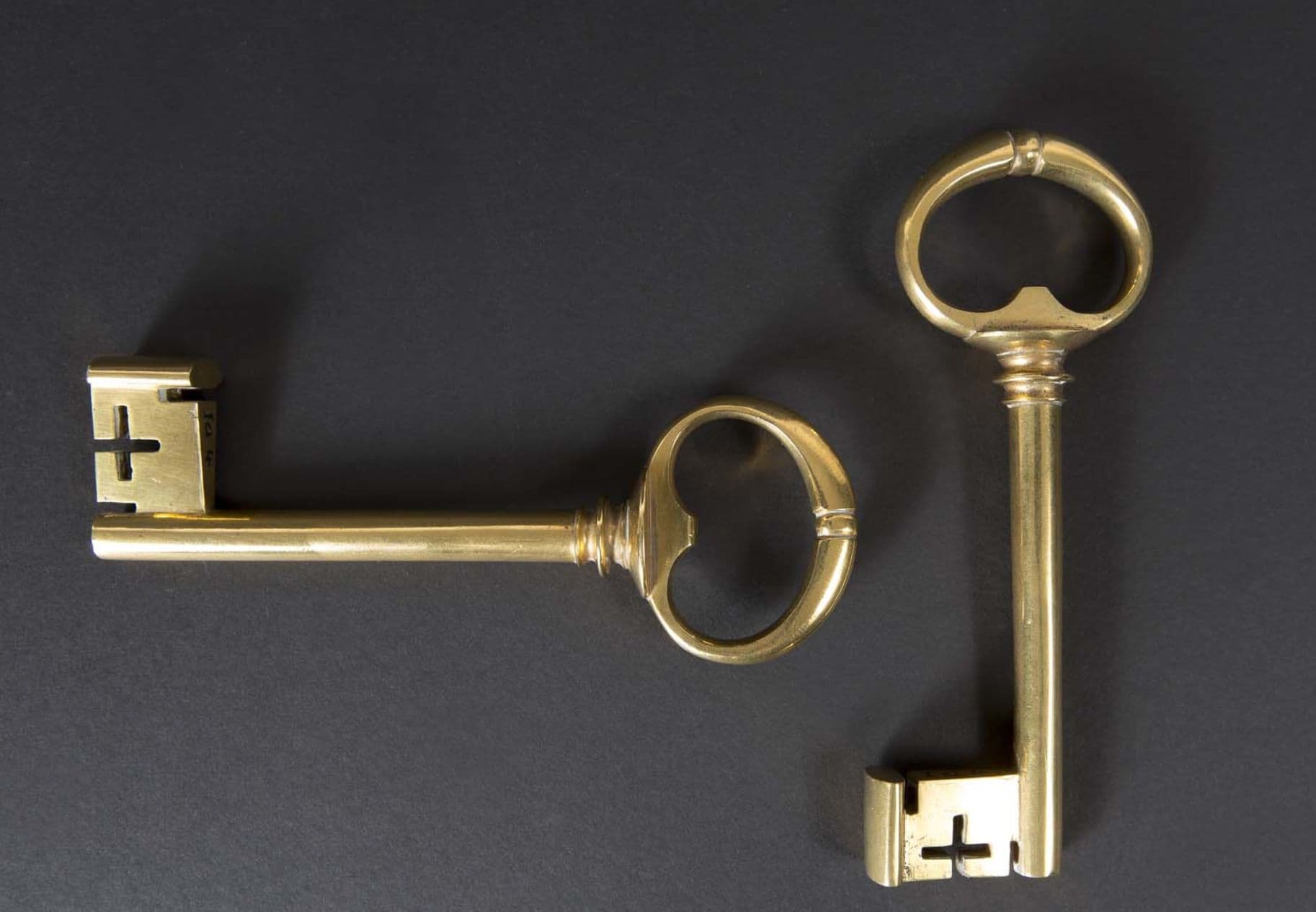
Napoleon visited Amersfoort in 1811. The city hoped for a historic moment, but the emperor was mostly in a hurry.
In 1795, France invaded the Batavian Republic, which included Amersfoort. The city suddenly came under French rule. Amersfoort became subject to French laws and regulations. Men from Amersfoort were even required to serve in the French army.
The influence of France became increasingly visible in the city's everyday life.
In October 1811, Napoleon travelled through the Low Countries. During this journey he also visited Amersfoort. The city wanted to give the emperor an enthusiastic welcome and went to great lengths. Streets and houses were decorated, new trees were planted along the route and residents everywhere prepared for the arrival of the French ruler.
The most important part of the visit was two symbolic city keys. These lay ready on a specially made green velvet cushion. The keys symbolised respect and hospitality. For the city council, it was an important moment.
Yet the visit did not go as hoped. Napoleon was in a hurry. Outside the city walls, a reception committee awaited him, but then he quickly drove on through the city. His route ran along the Utrechtsestraat, the Varkensmarkt and the Langestraat. He then left Amersfoort immediately through the Kamperbuitenpoort.
There was no time for an official ceremony. The city keys were never handed over. Napoleon did not accept them and stopped nowhere along the way. Yet those very keys had been the centrepiece of all the preparations. In the end, Amersfoort was left with the keys — and a bill of 1,300 guilders for all the festivities.
Napoleon's visit also made the newspapers. Except that the news appeared before he had even arrived. Newspapers at the time were not printed daily. They therefore wrote the report in advance, so it could appear immediately during the visit.
As a result, the newspaper contained errors. The date was wrong, and it stated that Empress Marie Louise was also present in Amersfoort. In reality, she had travelled directly to the Palace Het Loo in Apeldoorn.
Many residents accepted the report without question. Independent journalism barely existed. For Amersfoort's administrators, the visit was primarily an opportunity to make propaganda and demonstrate loyalty to the French rulers.
Look out over Amersfoort as it was in 1671, from a vantage point that didn't actually exist.
Read moreA fierce bolt of lightning set the Onze Lieve Vrouwetoren ablaze. Carpenter Lenaart Nicasiusz saved the city from disaster.
Read moreAbove a bakery in Amersfoort, young women supported the resistance through a secret telephone exchange.
Read more